Conveyor Components
Conveyor Components and Lagging
AU Industries supplies and installs rubber components for conveyor systems used in mining, bulk handling, and processing plants. Our conveyor products are manufactured using compounds selected for maximum wear life in each application, and fitted by experienced installation teams to minimise downtime.
Products
Pulley Lagging
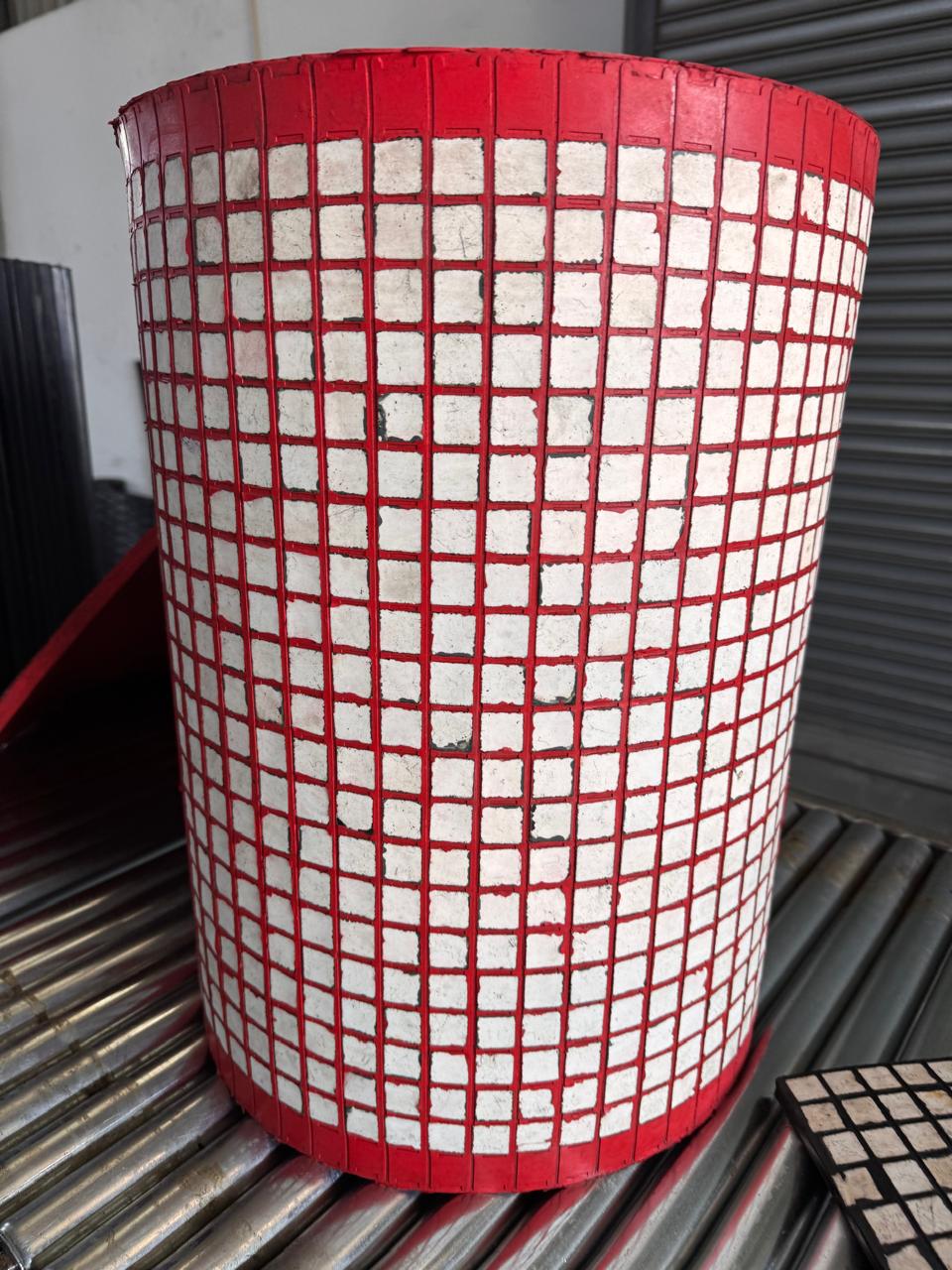
Rubber lagging for drive pulleys, tail pulleys, snub pulleys, and bend pulleys. Available in plain, diamond, and ceramic-studded patterns for different grip and wear requirements.
- Plain lagging — for non-drive pulleys and low-tension applications
- Diamond pattern — for drive pulleys requiring improved grip in wet conditions
- Ceramic lagging — for high-tension drive pulleys in heavy-duty applications
Conveyor Belt Rubber
- Conveyor belt repair strips and patches
- Belt cover rubber for splice repairs
- Belt edge sealing strips
Wear Liners
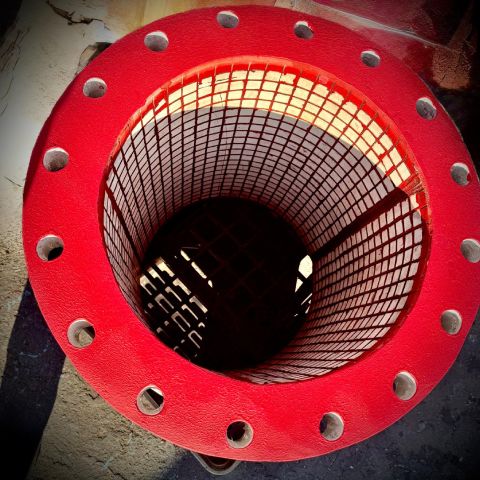
- Chute wear liners in rubber, ceramic embedded rubber, and UHMWPE
- Skirt rubber and skirt clamps
- Impact bars and cradles for loading zones
Ceramic Embedded Rubber
Our ceramic embedded wear panels combine the impact resistance of rubber with the abrasion resistance of alumina ceramic tiles. Ideal for high-wear transfer points, chute linings, and hopper walls where standard rubber wears too quickly.
Choosing the Right Lagging
The correct lagging depends on belt tension, environment, and the cost of unplanned belt slip:
- Plain rubber lagging suits low-tension and non-drive pulleys where grip is not critical.
- Diamond-grooved lagging sheds water and material, improving traction on drive pulleys in wet or muddy conditions and reducing belt slip.
- Ceramic-studded lagging delivers the highest friction and the longest life on heavily loaded primary drive pulleys, where the cost of slip and re-lagging is high.
Matching lagging hardness and pattern to the duty prevents premature belt wear and keeps conveyors running between shutdowns.
Reducing Transfer-Point Wear
Transfer points are where most conveyor wear and spillage occurs. We line chutes and loading zones with the right material for the impact and abrasion present:
- Rubber for general abrasion and impact absorption
- Ceramic embedded rubber for severe sliding abrasion at high-wear transfer points
- UHMWPE for sticky materials and flow problems where low friction matters
Correctly specified impact bars and skirt rubber at the loading zone protect the belt, reduce spillage, and extend belt life.
Installation
AU Industries provides on-site installation services for conveyor components, including:
- Pulley lagging (hot and cold vulcanising)
- Chute lining installation
- Impact bar fitting
- Skirt rubber replacement
Frequently Asked Questions
Can you re-lag pulleys on site? Yes. Our teams carry out both hot and cold vulcanised pulley lagging on site, as well as in our Boksburg facility for pulleys that can be removed.
When should I use ceramic lagging instead of plain rubber? Ceramic-studded lagging is worth the extra cost on high-tension drive pulleys and where belt slip is causing wear, spillage, or lost production. For low-tension and non-drive pulleys, plain or diamond rubber lagging is usually sufficient.
Do ceramic embedded rubber panels really last longer? For sliding-abrasion duties, yes — the alumina tiles take the abrasion while the rubber matrix absorbs impact, which is why they outlast plain rubber at aggressive transfer points. See the project examples below.
Related Projects
Related Services